

The Hidden Beauty of Stick Season for Landscape Photographers
There’s a stretch of the year that often gets written off by photographers. The leaves are gone, the forest looks muted, and everything feels a little bare. Around here in Appalachia, we call it stick season, that window between autumn color and snow. Your version might look different: the dry season, the dormant period, or simply winter’s quieter months. Whatever you call it, the principle holds. This is when the landscape reveals its structure.
Stick season is when the forest shows you who it really is.
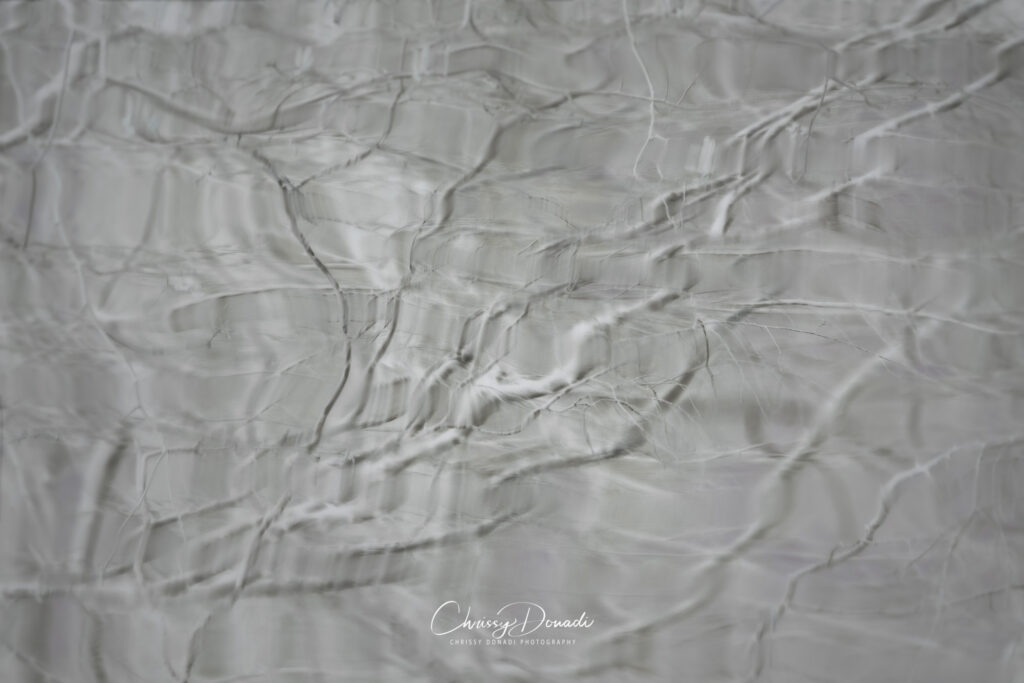
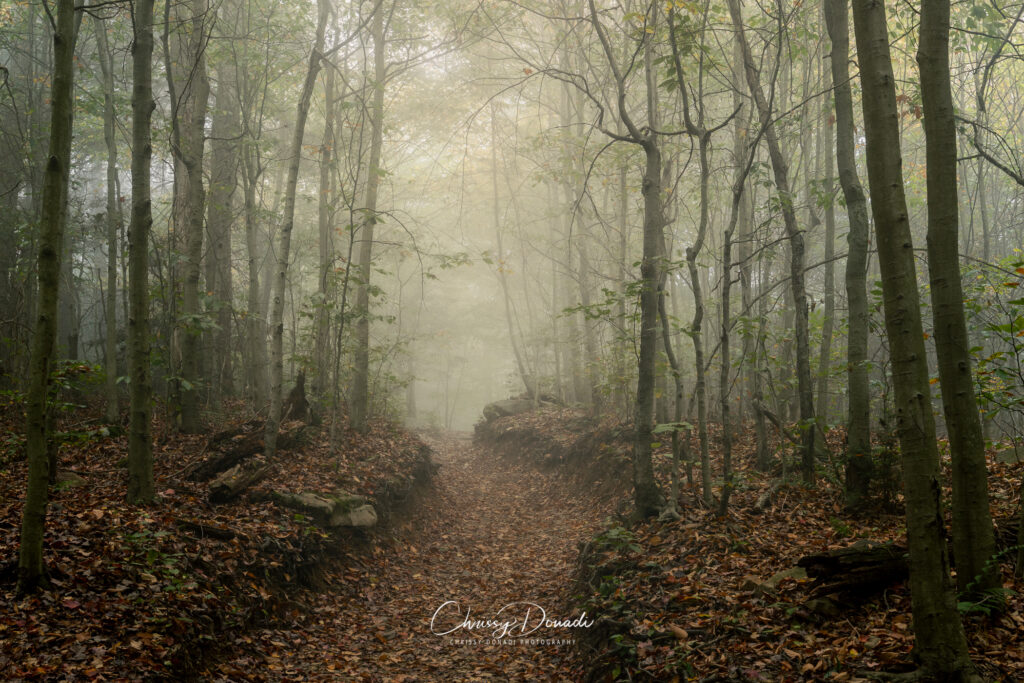
Without the sub-canopy and foliage filtering your view, the land opens up in a way it never does during the rest of the year. You’re no longer looking at a wall of green. You’re looking into the form and underlying shape of the forest itself. You can see the rise and fall of the land, the way a trail curves ahead, and how water once moved through an area. Those subtle S-curves and leading lines that are completely hidden in summer suddenly feel obvious.
This is why I love hiking during stick season. Everything looks familiar and unfamiliar at the same time. I’ll be walking a trail I’ve visited dozens of times and suddenly stop because something catches my eye off to the side, a dip in the land, a stand of trees with a different rhythm, a slope that feels like it might glow with light in spring. With the visual clutter gone, it’s easier to notice what’s always been there.
Training Your Eye When the Structure Is Obvious
Stick season is also when I’m actively training my eye, even if it doesn’t feel like formal practice. With the forest stripped down, composition becomes much easier to study because the structure is laid bare. You can clearly see the density of tree trunks, how closely they’re spaced, and where natural gaps form. Trail width becomes a compositional element instead of just a path. Slopes, ridgelines, and curves in the land reveal themselves without distraction.
This is the time to slow down and experiment with movement. Step a few feet to the left or right. Move uphill, then drop lower. Watch how the composition shifts dramatically with small changes in position. Without leaves filling the frame, it becomes very clear how perspective affects balance, depth, and flow. This is where you learn how much control you actually have, simply by where you place your feet.
These are skills that transfer directly into every other season. When foliage returns and scenes become visually complex again, your eye is already trained to recognize structure beneath the surface. Stick season is where those instincts are built.
Plant Scouting Without the Distraction of Green
One of my favorite things to do this time of year is plant scouting, especially for spring wildflowers and flowering shrubs. Even without leaves or blooms, many plants quietly give themselves away if you know what to look for.
Rhododendron and mountain laurel are two of the easiest to spot during stick season because they’re evergreen. Once the deciduous trees drop their leaves, these shrubs immediately stand out. Rhododendron tends to have larger, thicker, leathery leaves that often droop downward and curl slightly in cold weather. Mountain laurel leaves are smaller, narrower, and usually hold themselves more upright. Over time, you also start to recognize how these plants grow in clusters or patches, which makes them easier to identify even from a distance. Understanding where and why different plants thrive, based on elevation, moisture, and exposure, deepens your ability to read a landscape.”
Bluebells are a little more subtle. You won’t see flowers in winter, but you can often recognize the places where they like to grow. They prefer moist, nutrient-rich soils, often in low-lying areas near streams, floodplains, or gentle slopes where water collects. During stick season, those areas are easier to read because you can clearly see how the land flattens or bowls and how water might move through it. Finding these habitats now means that when spring arrives, you’re not searching. You’re simply watching and waiting.
This kind of scouting matters because bloom windows are short. Knowing where to return ahead of time gives you flexibility and intention when everything starts changing quickly.
Reading Wildlife Habitat More Clearly
Stick season is also incredibly revealing when it comes to understanding wildlife habitat. With less undergrowth, it’s easier to see movement corridors and tracks crossing trails.
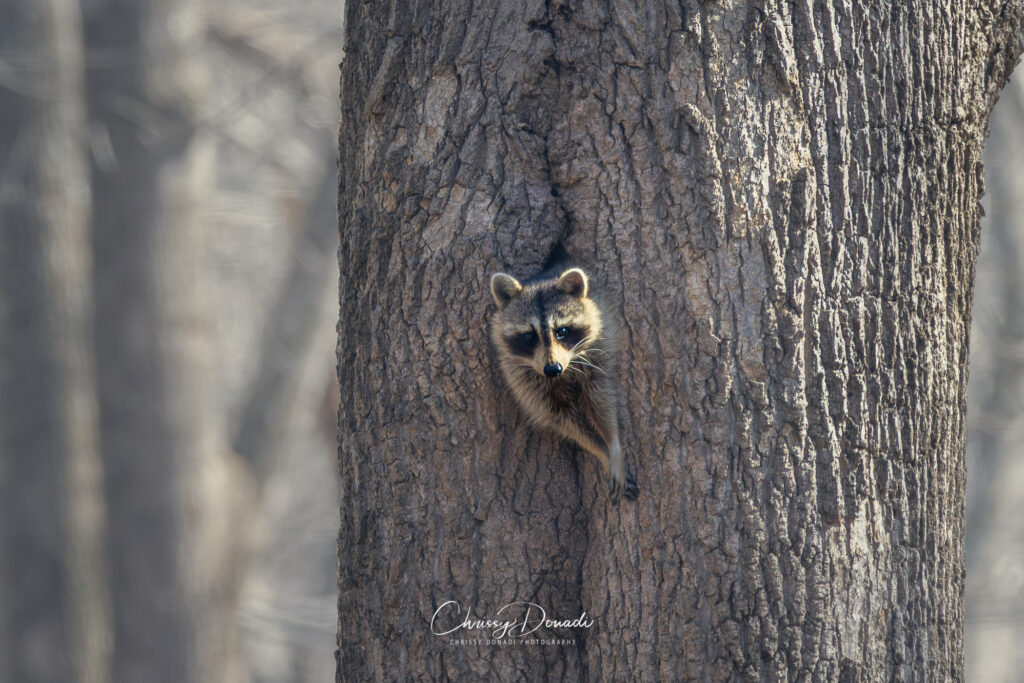
Deer paths become obvious—those subtle, worn lines that cut across hillsides. But you also start noticing smaller details: tracks in mud that reveal where foxes hunt along field edges, or the base of trees where raccoons regularly climb. Owl pellets become more visible on the forest floor beneath favorite perches. Even scat and rubs on trees are easier to spot without vegetation obscuring them. You’re learning where animals move, not just that they’re present.
Even if you’re not actively photographing wildlife right now, you’re learning the rhythm of the place. That awareness carries forward into other seasons and supports ethical, distance-based wildlife photography built on understanding rather than chance encounters.
Preparing for the Seasons Ahead
What I love most about stick season is how it teaches you to see differently. The forest feels quieter, but it’s not empty. It’s simply stripped down to its essentials. You can read the land more clearly. You can see the bones of a place, the shapes and patterns that remain constant no matter the season.
This is the season that prepares you for the year ahead. You’re staying active, honing your compositional instincts, and deepening your relationship with the landscapes you photograph. When spring, summer, and fall arrive, you’re not starting from scratch. You’re returning to places you already understand, places you’ve walked slowly and studied when no one else was paying much attention.
Stick season may not be flashy, but it’s generous. If you let it be, it will quietly make you a better photographer.
Actually the real question for “stick season” or what I call “lack of greenery and bugs season” is: Tripod or Monopod?
That is a whole article in and of itself!
Thanks for all of your articles!
Merry Christmas and Happy New Year to you and your family.
Ha! You’re absolutely right, anything tripod-related could easily be a whole article on its own. And let’s not even open the center column vs. no center column debate.
Truth be told, stick season is one of the few times I often head out without a tripod. It gives me the freedom to really put on my explorer hat and wander. That said, every now and then I do catch myself wishing I had it with me and end up bumping the ISO a bit. With how good processing software has become, though, that’s less of a concern than it used to be.
Thanks so much for reading, and Merry Christmas and Happy New Year to you and your family as well!